What Does Not Require Energy to Pass Through a Membrane
There are three main ways that molecules can pass through a phospholipid membrane. Accordingly which types of transport do not require energy.

Why Can T Glucose Pass Directly Through The Plasma Membrane Quora
The second way requires that the cell uses energy to pull in or pump out certain molecules and ions and is called active transport.

. Molecules or ions do not require energy for their movement. Whenever molecules are moved that are too large to pass through the phospholipid bilayer membrane. Why do the processes of active transport require an input of energy.
Active uptake is for small molecules going against concentration gradient and it needs energy. Active transport Energy-requiring movement of molecules across a membrane against a concentration gradient. The most direct forms of membrane transport are passive.
Proteins that let molecules through the membrane and DO use energy. Whenever a solute is. Additionally does diffusion require energy.
Movement of molecules across the cell-membrane without energy. They will establish the constant resting potential of the membrane in the nerve cells. An example would be glucose is too big to pass through the cell membrane on its own but can do so the with help of a specific protein.
There are three main kinds of passive transport - Diffusion Osmosis and Facilitated Diffusion. In passive transport substances move from an area of higher concentration to an area of lower concentration. Proteins that sit in the membrane and do the work of the membrane such as Recognition Receptors and Transporters.
I both membranes allowed lipid soluble molecules to pass through ii only the plasma membrane allowed glucose to pass through. The movement of ions will create a change in the voltage and the electrical current over the membrane. The ions pass through the membrane when these channels are open.
Whenever a molecule is polar and is moved through a phospholipid bilayer membrane. Proteins that let molecules through the membrane and do NOT use energy. B small non-polar molecules.
Cells continually encounter changes in their external environment. In an investigation the permeability of this artificial membrane was compared with the permeability of a plasma membrane from a cell. Small molecules can pass through the cell membrane through diffusion does not require energy.
This Membrane allows SOLVENTWATER to pass through but not soluble particles or molecules. Whenever a solute needs to be moved from low concentration to high concentration through a phospholipid bilayer membrane. It consisted only of a bilayer of phospholipid molecules.
Both are passive which means they do not require energy. Energy which is the key distinction as opposed to facilitated diffusion which is also specific to a molecule or ion but does not require energy. Facilitated diffusion uses proteins in the cell membrane to guide polar molecules and ions in and out of the membrane always to areas of lower concentration and DOES NOT require ENERGYOnly.
Passive transport is the movement of molecules across the cell membrane and does not require energy. When molecules cannot move through a cell membrane passively the Cell uses a process called ACTIVE TRANSPORT. It is dependent on the permeability of the cell membrane.
Because the molecules are moving down a concentration gradient the process is driven by simple diffusion and does not require the input of additional energy from the cell. Passive transport is a naturally occurring phenomenon and does not require the cell to exert any of its energy to accomplish the movement. The molecule being non-polar is an advantage because the tails of the phospholipid bilayer is hydrophobic nonpolar so it does not repel nonpolar molecules.
Osmosis is for water transport down water potential gradient. Diameter or molecules or ions the temperature of the solution the concentration gradient in the system. Facilitated happens also down concentration gradient but for polar or charged molecules.
What is the diffusion process by which water molecules pass through. This process uses INTEGRAL PROTEIN found in the cells Membrane to pass particles and reach equilibrium. It too does Not require cellular energy.
All of the following membrane activities require energy from ATP hydrolysis except a facilitated diffusion b active transport c Na ions moving out of the cell d proton pumps e translocation of potassium into a cell. Why cant electrically charged or polar molecules readily pass through a membrane. The first way requires no energy input by the cell and is called passive transport.

Pin On Biology

Structure Of Cell Membrane Cell Membrane Plasma Membrane Cell Membrane Structure

Pin On Cells And Body Systems
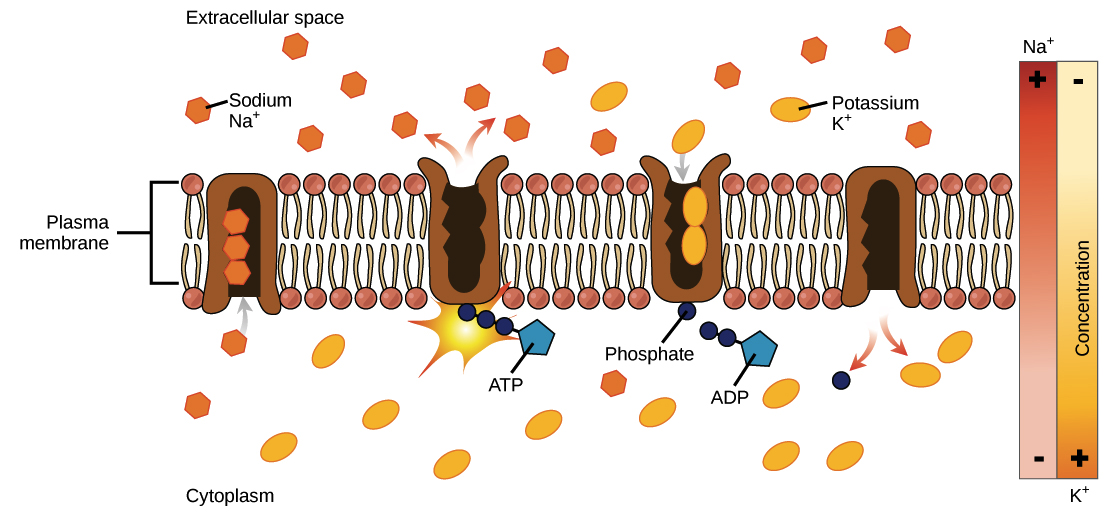
Active Transport Review Article Khan Academy

Osmosis Is A Type Of Passive Transport Meaning That It Doesn T Require Energy Learn More About Osmosis In Our Teaching Science Teaching Biology Science Humor

What Are The Different Modes Of Biotransportation Of Drugs How Do Drugs Move Across The Cell Membrane Pharmacology Plasma Membrane Cell Membrane

File Exocytosis Types Svg Wikimedia Commons Cell Biology Cell Membrane Biology Classroom

Difference Between Active And Passive Transport Comparison Summary Study Biology Biology Classroom Teaching Biology
Biological Membranes And Membrane Transport Mechanisms Cell Membrane Transport Membrane Cell Membrane

Figure 12 15 Permeability Of Phospholipid Bilayers Plasma Membrane Biology Notes Cell Biology

Everything You Need To Know About Cell And Its Parts Sciencemonk Cellular Respiration Chemical Energy Placenta Encapsulation
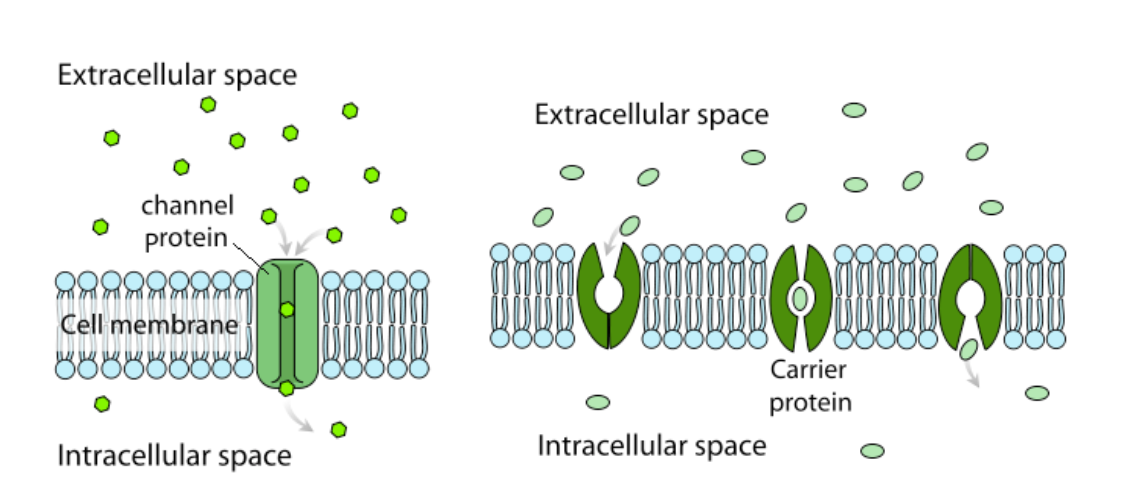
Passive Transport Review Article Khan Academy

Pinterest Ijackson666 Snapchat Ijackson666 Handwriting Analysis Study Notes Science Notes

Pin On Academics

Pin By Alexandra Med On Biology Biology Notes Life Science Lessons Medical School Studying

Passive Transport Biology For Majors I

File Endocytosis Types Svg Cell Membrane Plasma Membrane Cell Transport

Cell Transport Worksheet Biology Answers Cell Membrane Coloring Worksheet Answer Key With Im Cell Membrane Coloring Worksheet Biology Worksheet Cells Worksheet
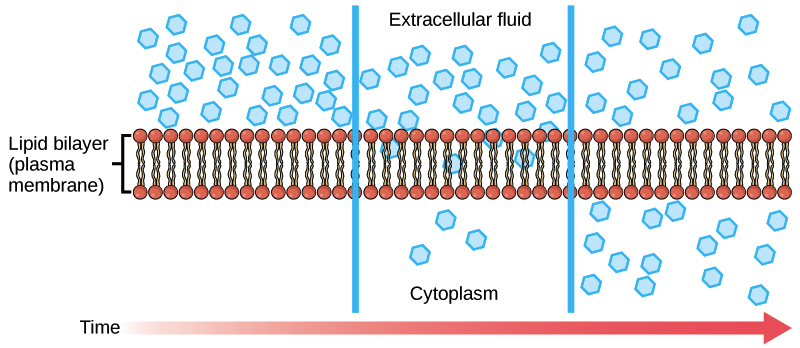
Passive Transport Review Article Khan Academy


Comments
Post a Comment